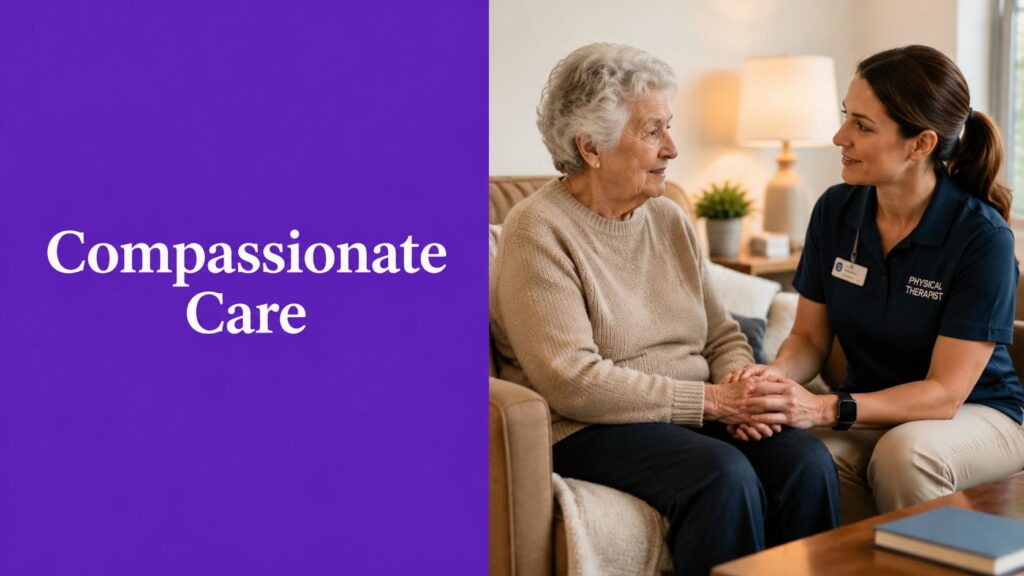

Picture this for a moment: you're sitting with a therapist who isn't just listening to your words, but is truly hearing the emotions, the history, and the hope behind them. That’s the real essence of heart-centered counseling. It’s an approach that puts genuine human connection, compassion, and empathy right at the very core of the healing journey.
What Is Heart-Centered Counseling?
So, what does this actually look like? Unlike some clinical models that can feel a bit cold or detached, heart-centered counseling sees you as a whole person—mind, body, and spirit—not just a list of symptoms to be managed. It all starts with the belief that a safe, non-judgmental space is the most powerful catalyst for real healing.
This philosophy is designed to help you do more than just cope. It’s about building lasting resilience from the inside out, empowering you to navigate anxiety, trauma, and life's biggest hurdles. The focus is on profound inner change, which involves healing the heart so you can create a life that feels authentic and fulfilling.
A Focus on Connection and Compassion
Instead of getting bogged down by diagnostic labels, a heart-centered therapist works to build a strong, authentic relationship with you. This therapeutic bond isn't just a nice-to-have; it becomes the main vehicle for growth and change.
The therapeutic relationship a counselor forms with each client can be the most powerful tool for helping clients change.
When you feel truly seen, heard, and understood, something shifts. In the safety of that partnership, you can start to explore your deepest fears, cultivate self-compassion, and begin aligning your daily life with what truly matters to you.
To make this distinction clearer, here's a quick comparison:
Heart Centered Counseling vs Traditional Therapy
| Aspect | Heart Centered Counseling | Traditional Therapy |
|---|---|---|
| Primary Focus | The whole person (mind, body, spirit) and the therapeutic relationship. | Diagnosis and symptom reduction based on specific disorders. |
| Therapist's Role | A compassionate guide and collaborative partner. | An expert applying techniques and interventions. |
| Core Goal | Inner healing, self-compassion, and aligning with personal values. | Resolving specific problems and modifying behaviors. |
| The Process | Intuitive and flowing, guided by the client's inner experience. | Structured, often following a manual or specific protocol. |
| View of Emotions | Emotions are seen as valuable information and guides for healing. | Emotions are often viewed as symptoms to be managed or controlled. |
Ultimately, while both approaches have their place and can be effective, the heart-centered model is for those who are looking for a deeper, more personal connection in their therapy experience.
Growing Demand for a Human Approach
It’s becoming clear that people are seeking this kind of compassionate, connected care more and more. In fact, the mental health counseling market is projected to skyrocket from USD 12.54 billion in 2025 to a massive USD 32.97 billion by 2035.
With North America holding the largest market share at 43.5%, this trend points to a significant shift. People are actively looking for therapies that prioritize authentic human connection over a one-size-fits-all approach. You can learn more about this impressive growth in this detailed analysis.
At reVIBE Mental Health, this philosophy is the bedrock of our practice. We believe in it so strongly that we’ve built our services around it. If you're ready to explore a path to healing that truly honors you as a whole person, we're here.
Find a reVIBE Location Near You!
We currently have five locations for your convenience. (480) 674-9220
reVIBE Mental Health – Chandler
3377 S Price Rd, Suite 105, Chandler, AZ
reVIBE Mental Health – Phoenix Deer Valley
2222 W Pinnacle Peak Rd, Suite 220, Phoenix, AZ
reVIBE Mental Health – Phoenix PV
4646 E Greenway Road, Suite 100, Phoenix, AZ
reVIBE Mental Health – Scottsdale
8700 E Via de Ventura, Suite 280, Scottsdale, AZ
reVIBE Mental Health – Tempe
3920 S Rural Rd, Suite 112, Tempe, AZ
The Core Principles of This Compassionate Approach
So, what’s really at the heart of heart-centered counseling? It's not a complicated formula, but a commitment to a handful of powerful ideas that shift the therapeutic dynamic. Instead of a clinical, detached process, it becomes a genuine human partnership. These principles are the active ingredients that create the safety and trust necessary for real healing to unfold.
It all starts with a foundation of Unconditional Positive Regard. Think about it: a space where you can share your deepest fears, your biggest mistakes, or the parts of yourself you hide, all without a hint of judgment. That's what this means. Your therapist accepts you, completely and without reservation. This profound acceptance creates a safe haven for vulnerability and honesty—something many people have never experienced before.
Fostering Deep Understanding and Trust
Building on that foundation of safety, the next core element is Radical Empathy. This goes far beyond a simple, "I hear you." Radical empathy is your therapist’s active commitment to truly feel with you, not just for you. It's the difference between someone acknowledging your pain from a distance and someone who is willing to sit in it with you, validating that your experience is real, important, and makes sense. This is fundamental to understanding ourselves and others through empathy.
Tying it all together is Authentic Presence. Your therapist isn't a blank slate or a distant expert reciting from a textbook. They show up as a real person in the room with you, present and engaged. This genuine human connection is what builds a powerful therapeutic alliance, which decades of research have shown is one of the most critical factors for success in therapy.
These principles don't exist in a vacuum; they feed into one another to form the compassionate core of this approach.

The central connection you build with your therapist nurtures the compassion, empathy, and safety that make healing possible.
The Impact on Your Healing Journey
When these principles come together, they create a powerful environment where you feel secure enough to explore the difficult emotions tied to anxiety, depression, and trauma. At reVIBE Mental Health, our therapists live these principles every day, whether you're meeting in person at one of our welcoming Arizona offices or connecting through a telehealth session.
The therapeutic relationship a counselor forms with each client can be the most powerful tool for helping clients change.
This strong, heart-centered connection is absolutely vital when we begin to address deeper wounds. It provides the supportive and steady framework needed for other powerful methods, like trauma-informed therapy, to be truly effective. To see how this works in practice, you can read more about what is trauma-informed therapy. By putting the relationship first, we help you find the courage not just to face your challenges, but to process them, learn from them, and ultimately, heal.
Who Is Heart-Centered Counseling For?
While therapy can take many forms, heart-centered counseling isn’t a one-size-fits-all fix. It’s for those looking for something more than just managing symptoms. If you believe a genuine, compassionate connection is a non-negotiable part of your healing, this might be the path for you.
So, who finds their way to this kind of work? Often, it’s people who feel a nagging sense of disconnection—not just from others, but from their own inner world. It's a powerful alternative for anyone who has tried therapy before and found it too clinical or cold, leaving them feeling like just another case file. This approach is for when you need to be seen as a whole person.
When You Need More Than Just a Clinical Approach
Certain challenges in life almost demand a therapeutic space that feels warm, safe, and deeply accepting. A heart-centered environment provides the safety net needed to explore difficult emotional territory without the fear of judgment.
You might find this approach fits you if:
- You're a professional drowning in burnout. We see this all the time. You've achieved so much, but you feel empty and exhausted. This isn't about stress management; it's about getting quiet enough to hear what truly matters to you again and reconnecting with your own values.
- You're trying to heal from past trauma. When you've been through trauma, safety is everything. A heart-centered therapist creates a gentle, patient space to process painful memories. It’s why methods like EMDR are often so effective within this framework—they are held within a container of profound compassion.
- You and your partner want to rebuild intimacy. When communication shuts down, it can feel like you’re speaking different languages. This approach helps create a space safe enough for vulnerability, allowing you to truly hear each other again and rebuild your emotional foundation.
- You're navigating a major life transition. Grief, a career change, the end of a relationship—these moments can leave you feeling completely lost. Heart-centered counseling helps you find your footing by exploring who you are now and rediscovering your own strength.
A More Holistic Way to Address Anxiety and Depression
For those struggling with anxiety or depression, this approach looks beyond just challenging negative thoughts. It goes deeper to gently address the painful feelings of loneliness, shame, or unworthiness that often sit at the root of these conditions. The goal is to help you build a kinder, more supportive relationship with yourself through genuine self-compassion.
At its core, this approach recognizes that healing often comes not from "fixing" a problem, but from creating a relationship where you have the courage to face it.
The desire for this kind of authentic, supportive care is growing. The emotional counseling service market is expected to jump from USD 4.72 billion in 2025 to USD 21.21 billion by 2030. This boom is driven by a collective shift toward prioritizing mental wellness, particularly among adults facing burnout and anxiety who need flexible, human-first options like we offer at reVIBE. You can dig into these industry trends and market forecasts if you're curious.
If you feel that your healing needs more than clinical techniques—if it needs a human touch—then heart-centered counseling could be exactly what you're looking for.
What a Heart-Centered Session Actually Looks Like
Let's be honest—walking into a therapist's office for the first time, or even the hundredth, can feel a little intimidating. Our whole approach with heart-centered counseling is to flip that script. From the moment you step into our doors in Chandler, Phoenix, Scottsdale, or Tempe, we want you to feel a sense of safety and calm. The idea is to create a space that feels less like a clinic and more like a comfortable, welcoming home where you can finally take a deep breath and just be.

Whether you’re seeing us in person or connecting through our secure telehealth platform, every session is designed to feel gentle and collaborative. This isn't about being put on the spot. It's about starting a genuine conversation.
The Gentle Beginning
Every session begins with a simple, human check-in. Your therapist might ask how your week has been, and they’re asking because they truly want to know. This isn’t just small talk. It’s the first step in building a real connection and getting a feel for what’s on your mind and in your heart right now.
There's absolutely no pressure to have a "productive" answer or to perform in any way. This initial time is all about setting the tone, reminding you that this hour is yours—a space free from the demands and judgments of the outside world. Think of it as a soft landing place where you can feel grounded before we begin. If you're curious for more tips, our guide on how to prepare for your first therapy session is a great resource.
Exploring with Curiosity and Compassion
This is where we get to the heart of the matter. Guided by radical empathy and authentic presence, your therapist listens with an open mind and heart. This is a journey we take together, not an interrogation.
A heart-centered session is a partnership. The therapist's role is to hold the space, offer reflections, and walk alongside you as you navigate your inner world—never to lead by force.
As you talk about what’s bothering you, whether it’s anxiety, past trauma, or a relationship struggle, your therapist will gently weave in proven therapeutic methods. It’s a seamless integration of expertise and empathy.
- Talk Therapy: We might explore thought patterns that are keeping you stuck, but we’ll do it with kindness. The goal is always to help you build self-compassion, not find new ways to criticize yourself.
- EMDR (Eye Movement Desensitization and Reprocessing): If you're working through trauma, your therapist will make sure you feel completely safe and grounded before, during, and after using this powerful technique. It's carefully integrated into the supportive relationship we've already built.
Ending with Clarity and Support
A good session doesn't just end. The last few minutes are dedicated to making sure you feel centered before you step back into your day. We might summarize the key takeaways from our conversation, discuss one small, manageable step you can take during the week, or even practice a quick coping skill together.
You'll leave feeling not just heard, but also supported. You’ll have a sense of clarity, practical tools, and the reassurance that you have a partner in this work.
Finding Your Therapist at reVIBE Mental Health

We know that reaching out for help is a huge step, and finding the right support shouldn't add to your stress. At reVIBE, we’ve made our process for starting heart-centered counseling as simple and reassuring as possible, honoring the courage it took for you to get here.
It all begins with a single, confidential phone call to (480) 674-9220. You’ll be greeted by one of our dedicated care coordinators—real people who are here to listen. They’ll gently ask about what’s on your mind, not to be intrusive, but to help match you with a therapist who truly understands your specific needs and goals.
Making Care Accessible and Integrated
We see mental wellness as a team effort. What really sets reVIBE apart is our integrated care model, where your counselor and our psychiatric team can collaborate directly on your care. This ensures that every part of your treatment, from talk therapy to medication management, works together in a coordinated way.
Finding a therapist who is the right fit is crucial. Our goal at reVIBE is to remove barriers and empower you with choices, so your path to feeling better starts with confidence and support.
To make therapy fit into your life, not the other way around, we offer:
- Appointments Seven Days a Week: Life is complicated. Your therapy schedule shouldn't be. We offer flexible appointments to work around your commitments.
- Acceptance of Most Major Insurance: We're in-network with most major insurance plans and our team is ready to help you make sense of your benefits.
- Both In-Person and Online Sessions: You can choose whatever feels most comfortable—a session in one of our cozy offices or a secure video call from home.
The need for flexible care has become undeniable. With anxiety and depression rates rising by 25% since the pandemic, the demand for accessible mental health support has soared. The Online Therapy Service Market is even projected to hit USD 32.16 billion by 2031, with North America seeing the most significant growth. Our secure online sessions are designed to meet this modern reality. You can find more details about the growth of online therapy services at PR Newswire.
Find a reVIBE Location Near You
We have five welcoming locations across the valley, each designed to be a safe, comfortable space for healing. If you're still figuring out what kind of professional you need, our guide on the differences between a therapist vs. psychologist vs. counselor can help clear things up.
reVIBE Mental Health – Chandler
3377 S Price Rd, Suite 105, Chandler, AZreVIBE Mental Health – Phoenix Deer Valley
2222 W Pinnacle Peak Rd, Suite 220, Phoenix, AZreVIBE Mental Health – Phoenix PV
4646 E Greenway Road, Suite 100, Phoenix, AZreVIBE Mental Health – Scottsdale
8700 E Via de Ventura, Suite 280, Scottsdale, AZreVIBE Mental Health – Tempe
3920 S Rural Rd, Suite 112, Tempe, AZ
Have Questions About Heart-Centered Counseling? We Have Answers.
It’s completely normal to have questions when you’re thinking about starting therapy. You want to be sure you're making the right choice. We get it. This is a space to answer some of the most common questions we hear about heart-centered counseling, hopefully giving you the clarity and confidence to take the next step.
Is This Approach Actually Backed by Science?
Yes, absolutely. A lot of people hear "heart-centered" and assume it's more of a feel-good philosophy than a clinical approach. The truth is, it’s both.
Heart-centered counseling isn't some new, separate technique. It's the framework we use to deliver proven, evidence-based therapies. Our therapists at reVIBE are all fully trained in methods like Cognitive Behavioral Therapy (CBT), Eye Movement Desensitization and Reprocessing (EMDR), and other powerful therapeutic tools.
The "heart-centered" part describes the therapeutic relationship itself—the genuine empathy, safety, and non-judgment that makes healing possible. And here's the science part: decades of clinical research have shown that the strength of this connection between you and your therapist is one of the biggest predictors of a successful outcome. So you get effective, science-backed care, delivered with real human connection.
How Is This Different from Just Talking to a Friend?
Having a friend you can lean on is priceless. But what a therapist offers is fundamentally different, and that distinction is important for real growth.
- Objective Expertise: Your therapist is a licensed professional who has spent years studying psychology, brain science, and human behavior. They know how to spot underlying patterns you might miss, teach you concrete skills to manage your thoughts and emotions, and guide you through tough issues with professional objectivity.
- A Space That's 100% Yours: Friendships are a two-way street. Therapy isn't. This space is entirely devoted to your healing and your goals. You never have to worry about managing your therapist's feelings or taking care of them—this time is all for you.
- True Confidentiality: Therapy offers a legally protected space where you can be completely yourself. You can share your deepest fears, regrets, and dreams without ever worrying about judgment or that your words might get back to someone else.
A friend offers comfort. A therapist offers a structured, professional partnership designed to create lasting change.
What if I Think I Might Need Medication for Anxiety or Depression?
That’s an excellent and very common question. For many people dealing with anxiety, depression, or PTSD, the most effective path forward is a combination of therapy and medication. This is exactly why we built reVIBE Mental Health on a model of integrated care.
An integrated approach means your care isn't siloed. Your therapist and psychiatric provider work together as one team, making sure your talk therapy and any medication you take are working in harmony for the best possible result.
If you and your therapist agree that medication could be helpful, we can connect you directly with our in-house psychiatric team for an evaluation. There’s no need to find another practice or worry about getting your providers to talk to each other. We handle all the coordination, giving you holistic support, all under one roof.
How Can I Be Sure I’ll Get a Heart-Centered Therapist at reVIBE?
This really gets to the core of who we are. The heart-centered philosophy isn't just an add-on service; it's the bedrock of our culture at reVIBE. We specifically look for and hire mental health professionals who naturally bring compassion, empathy, and a non-judgmental presence to their work.
It starts with your very first call. Our care coordinators are trained to listen—really listen—to what you’re going through and what you're hoping for. They have a knack for matching you with a therapist whose style and expertise fit what you need. We always encourage you to be open in your first session to make sure it feels like a great fit. Because we know that when you find the right relationship, that’s where the healing truly begins.
Are you ready to experience a more compassionate approach to mental wellness? The team at reVIBE Mental Health is here to support you with integrated care that honors you as a whole person. Start your journey today by exploring our services at https://revibementalhealth.com.