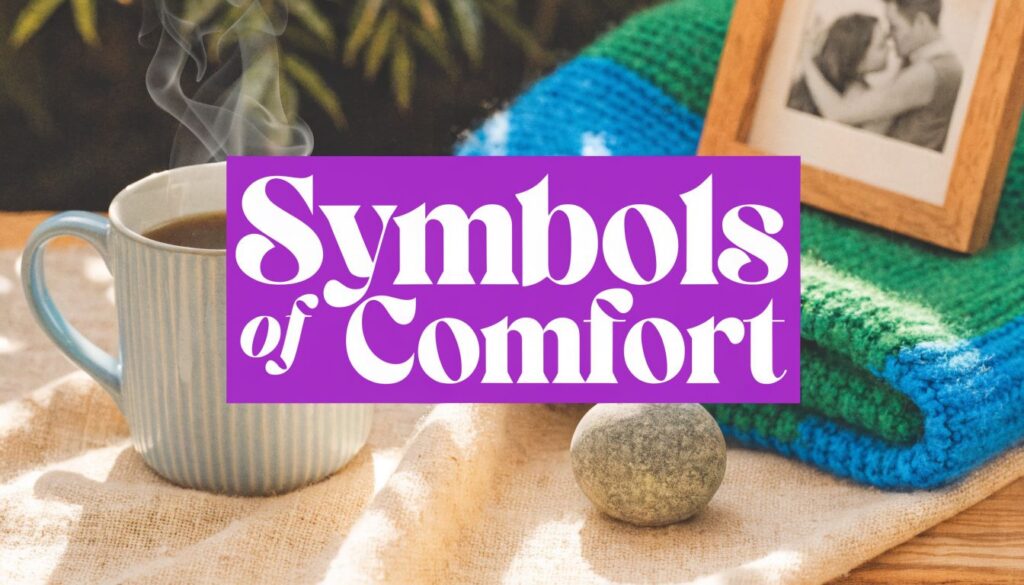
Some days, comfort shows up in very ordinary ways. You wrap both hands around a warm mug before you answer an email you’re dreading. You replay the same song on the drive home because it steadies something inside you. You keep an old sweatshirt long after it stopped looking presentable because it still feels like relief.
Individuals often engage in this without explicitly naming it. They reach for an object, a sound, a color, a ritual, or a private image that helps their body soften and their thoughts slow down. Those choices aren’t random. They often act as symbols of comfort, small reminders that say, “You’re safe enough to take the next breath.”
That matters more than many people realize. When stress is high, the mind doesn’t always respond first to logic. It often responds to cues. A familiar texture, a meaningful charm, a photo in your wallet, the outline of an anchor drawn in a notebook. These can become emotional shorthand for steadiness.
People in the Phoenix area often carry a lot at once. Work pressure, family demands, heat, grief, trauma, anxiety, caregiving, uncertainty. In that kind of daily load, comfort can’t always wait for the perfect therapy session, day off, or breakthrough moment. Sometimes it starts with something much smaller and closer at hand.
The Unspoken Language of Feeling Safe
You’ve probably seen this happen in real time. A parent hands a tired child a favorite blanket in the back seat, and the child settles. An adult keeps touching a ring during a difficult phone call. Someone who feels overwhelmed steps outside, puts on headphones, and plays one particular song they’ve trusted for years.
These moments can look small from the outside. Inside the nervous system, they can mean a lot.
A symbol of comfort is anything that helps your mind and body reconnect with safety, steadiness, or belonging. Sometimes it’s an object. Sometimes it’s an image, a phrase, a place, or even an idea. What makes it powerful isn’t how impressive it looks. What matters is the meaning it carries for you.
Why small symbols can feel so powerful
Humans are meaning-making creatures. We attach memory to scent, emotion to texture, and hope to visual reminders. That’s why a chipped coffee mug can calm one person more than a brand-new luxury item. The mug may remind them of home, of mornings with a grandparent, or of a season when life felt manageable.
Comfort often works through familiarity before it works through explanation.
A symbol of comfort doesn’t need to make sense to everyone else. It only needs to help you feel more grounded, connected, or less alone.
Many people assume they need a major coping strategy when they’re distressed. Sometimes they do. But often, regulation begins with something simpler. A sensory cue that tells the body, “We’ve been here before, and we got through it.”
Everyday comfort is still real comfort
People sometimes dismiss their own soothing habits because they seem too ordinary. They say things like:
- “It’s just a bracelet.” But if touching it slows your breathing, it’s doing important work.
- “It’s only a playlist.” If that playlist helps you come down from panic, it’s more than entertainment.
- “I know this sounds silly.” If a symbol helps you feel safer, it isn’t silly.
The quiet truth is that healing rarely happens through insight alone. It also happens through repetition, safety, and tiny reliable cues. Symbols of comfort can become part of that daily language of safety.
What Exactly Are Symbols of Comfort
A symbol of comfort is a tangible or intangible cue that evokes a felt sense of safety. It might be something you can hold, like a smooth stone or a bracelet. It might be something you can picture, like a lighthouse, a prayer card, or the color of a room where you once felt at ease.

Some symbols are widely recognized. A fireplace often suggests warmth. A nest suggests shelter. An anchor suggests stability. Other symbols are very personal. A faded movie ticket, a specific hand lotion, or a recipe card in someone’s handwriting may calm you more than any universal image ever could.
The childhood roots of comfort
The idea often starts early. In psychology, transitional objects are comfort items, like security blankets or teddy bears, that help children soothe themselves during separation. One summary of this research notes that toddlers with a comfort object fell asleep 28% faster and showed 35% fewer signs of distress, and that familiarity may reduce bedtime cortisol by up to 30% through soothing attachment-based mechanisms, as described in this overview of comfort objects and transitional objects.
That doesn’t mean adults are supposed to outgrow the need for comfort. It means the form changes.
As children get older, the blanket may become a necklace, a routine walk, a meaningful phrase, or a symbolic image saved on a phone lock screen. The function remains similar. The symbol helps the person bridge the gap between stress and steadiness.
A simple way to remember it: a comfort symbol is a key. It doesn’t create safety out of nowhere. It helps you access safety that already exists within your memory, body, relationships, and values.
Universal symbols and personal symbols
Both kinds matter, but they work a little differently.
| Type | What it does | Example |
|---|---|---|
| Universal symbol | Draws on broadly shared meanings | A candle, a blanket, an anchor |
| Personal symbol | Connects to your own memories and associations | A concert ticket, your grandmother’s scarf, a ringtone |
| Cultural symbol | Connects safety to heritage, identity, and belonging | A traditional design, beadwork, or spiritual image |
A good example is jewelry with symbolic meaning. Some people find comfort in wearable objects that carry spiritual or cultural resonance, such as Asian symbolic amber bracelets, because the object isn’t just decorative. It can become a portable reminder of grounding, ancestry, or intention.
What comfort symbols are not
They aren’t magic charms that erase pain. They also aren’t a replacement for treatment when someone is dealing with trauma, panic, depression, or grief that’s disrupting daily life.
They’re better understood as access points. They help people return to the present, reconnect with a sense of self, and create enough calm to make the next healthy choice.
The Science of Soothing How Comfort Symbols Work
Comfort symbols work because the brain and body learn by association. A repeated object, image, or ritual can become linked with calm, care, or protection. Over time, the symbol stops being “just a thing” and starts functioning like a cue that helps shift your internal state.

Association teaches the nervous system
Think about what happens when someone always drinks mint tea while winding down at night. At first, the tea is only tea. After enough repetition, the smell, taste, and heat may start signaling rest. The body begins to recognize the pattern.
The same thing can happen with a symbol of comfort. A stone kept in a pocket during difficult appointments. A prayer card held during grief. A certain playlist used during grounding exercises. These cues can become linked with regulation because the person repeatedly uses them in moments when they’re trying to settle.
This is one reason comfort symbols can feel powerful even when they seem small. The nervous system responds to pattern, not just to analysis.
The body also seeks a comfort zone
There’s a useful analogy from building design. The physical comfort zone described in thermal comfort standards usually spans 68 to 78°F for sedentary activity, and uncomfortable environments can raise stress hormones by 25% to 30%, according to the summary provided in this overview of thermal comfort and stress. That idea translates well to emotional life.
When your surroundings or experiences push you outside your psychological comfort zone, your body often reacts before your thoughts catch up. Muscles tighten. Breath gets shallow. Attention narrows. A symbol of comfort can act like a portable personal comfort zone, giving your system one familiar cue that says, “Come back here.”
Your comfort symbol won’t solve every problem. It can help lower the temperature inside your nervous system enough for problem-solving to become possible.
Four ways these symbols help
- They ground attention. Touch, sound, sight, and scent can pull your focus away from spiraling thoughts and back into the present moment.
- They create predictability. A repeated object or ritual gives your body something familiar during uncertainty.
- They support emotional regulation. The symbol becomes a bridge between activation and calm.
- They reinforce identity. A meaningful object can remind you who you are when stress makes you feel scattered.
Some people pair these cues with body-based practices so the symbol doesn’t stand alone. If you want to combine a meaningful object with movement, breath, or sensory awareness, these somatic healing exercises can help you build a fuller grounding routine.
Why sensory details matter
Not all comfort symbols work through the same pathway. Some soothe through memory. Others soothe through the senses first.
A soft sleeve may help because texture is calming. A cool metal pendant may work because it gives the hand something definite to notice. A visual symbol on your phone may help because it interrupts panic with recognition. An object doesn’t have to carry a dramatic story to be useful. Sometimes the body chooses before the mind explains.
That’s why people get confused when they try to pick the “right” symbol. The better question is not, “Which symbol is most meaningful in general?” It’s, “Which cue helps my body soften, slow down, or feel less alone?”
A Gallery of Grounding Examples
The easiest way to understand symbols of comfort is to see how many forms they can take. Some are sensory. Some are visual. Some are tied to memory. Some are plain everyday items that became meaningful because of when you used them.
Different categories of comfort symbols
| Category | How It Works | Examples |
|---|---|---|
| Sensory objects | Gives the body a direct calming input through touch, temperature, or weight | Smooth stone, soft hoodie, weighted blanket, worry bead |
| Visual anchors | Offers a steady image that reminds you of safety, identity, or hope | Family photo, landscape image, favorite color, candle flame |
| Auditory cues | Uses familiar sound to interrupt stress and create rhythm | Favorite song, rainfall audio, a loved one’s voice note |
| Symbolic concepts | Gives shape to an inner need such as steadiness, protection, or direction | Anchor, lighthouse, tree roots, open door |
A child may calm with a blanket because it’s soft and familiar. A teen may rely on a hoodie, headphones, or a bracelet. An adult might keep a folded note in a wallet, a pebble from a meaningful trip, or a digital wallpaper that reminds them of who they want to be when things get hard.
For parents trying to understand comfort items in children, practical resources can help explain why certain objects become so important. This snuggle comforter UK guide is one example of how caregivers think through attachment and soothing objects in everyday life.
Sensory and visual examples
A lot of comfort starts with the senses because the senses are immediate. You don’t have to reason your way into noticing a soft sleeve or cool glass of water.
A few examples:
- A smooth pocket stone can give restless hands a simple, repetitive task.
- A familiar blanket or sweatshirt can create a feeling of enclosure and warmth.
- A photograph can remind someone they belong to people, places, and memories larger than the stress of the moment.
- A certain color can become part of a personal calming ritual. Some people choose one calming shade for journals, phone backgrounds, or bedroom decor.
People dealing with acute anxiety often find that the symbol works best when paired with an action. Looking at the photo while slowing the breath. Holding the stone while naming five things in the room. Tracing a pattern on fabric while waiting for the panic wave to pass. If you want ideas for pairing symbols with immediate regulation tools, these coping strategies for panic attacks offer practical options.
The special power of the anchor
Among modern mental health symbols, the anchor stands out because its meaning is so clear. It suggests stability in rough water. It doesn’t stop the storm. It helps prevent drift.
That metaphor is part of why many people connect with it so quickly. The anchor says, “You may feel shaken, but you are not without hold.”
Research summarized in one mental health symbolism overview reports that visualizing or tracing an anchor during high stress can lower cortisol spikes by 15% to 20%, and anchor-based affirmations in wellness programs were linked with an 18% reduction in dropout and a 22% improvement in self-efficacy scores on anxiety scales, according to this discussion of the anchor as a mental health symbol.
Some symbols comfort because they feel gentle. The anchor comforts because it feels steady.
The anchor also works well because it’s adaptable. One person may wear it as jewelry. Another may draw it in the corner of a notebook. Someone else may use it as a phone wallpaper or think to themselves, “Drop anchor,” when they notice themselves spiraling.
Symbols can also be ordinary
Not every grounding object needs a poetic meaning. Sometimes the most effective symbols are practical and even boring. A water bottle carried through a season of treatment. A certain pen used for journaling. A bus pass from a time when you kept showing up despite fear. A grocery list written in a parent’s handwriting.
These objects matter because they hold evidence. They remind you that you’ve lived through hard chapters before. That’s comfort too.
Finding Your Personal Symbols for Healing
The best symbols of comfort usually aren’t chosen because they look wise or therapeutic. They’re chosen because something in you relaxes when you see them, touch them, hear them, or remember them.

Many people miss their own symbols because they’re looking for something dramatic. In practice, comfort is often quiet. It may already be in your home, on your phone, in your car, or buried in a drawer.
Start with what you already reach for
A good place to begin is observation, not invention. For one week, notice what you naturally use when you’re tense, sad, lonely, or overstimulated.
Write down answers to questions like these:
- What do I touch when I’m anxious? A ring, sleeve, blanket, necklace, mug?
- What do I look at when I need to steady myself? A photo, a window view, a symbol, a color?
- What sound helps my body unclench? A song, a voice, rain, silence, a fan?
- Which places feel regulating? The shower, the car, a certain chair, a shady spot outside?
- What object would I hate to lose during a hard season?
Patterns show up quickly. You may realize you always light the same candle when you need to think. Or that you scroll back to one saved photo whenever you feel overwhelmed. Those are clues.
Reflection prompt: Comfort symbols often reveal themselves by repetition. If you keep returning to it, your nervous system may already trust it.
Create meaning on purpose
You can also build a symbol intentionally. This helps when you want a fresh start, or when old comfort objects carry mixed memories.
Try this simple process:
- Choose one object. Keep it small and easy to carry, like a stone, bracelet, fabric square, keychain, or note card.
- Pair it with calm. Hold it only during moments of safety, such as during breathing practice, after a shower, during prayer, or while sitting with a trusted person.
- Add one sentence. Pick a phrase that matches what you need, such as “I’m here now,” “My body can soften,” or “I can move one step at a time.”
- Repeat often. Meaning grows through repetition.
After a while, the object may begin to carry the calm you practiced with it. You aren’t pretending. You’re teaching your body a new association.
Include culture, heritage, and identity
This part matters. Many discussions of symbols of comfort stay in a narrow lane and focus only on broad Western examples. That leaves out many people whose deepest sense of safety is connected to culture, faith, family tradition, or community symbols.
One summary notes that only 15% of mental health resources incorporate cultural symbols, and that culturally resonant symbols can improve therapy adherence by 25%, as described in this discussion of cultural symbols in mental health recovery.
For people in Phoenix, that gap can be especially important. A comfort symbol might come from Indigenous tradition, Mexican folk art, family altar practices, beadwork, prayer cards, or a pattern that reminds someone of home. A medicine wheel, for example, may hold meanings of balance and wholeness that a generic self-help symbol can’t replace for the person using it.
Cultural relevance isn’t a bonus feature. It can be part of what makes the symbol emotionally believable.
Don’t overlook digital comfort symbols
Comfort now lives on screens too. Some people carry their most reliable symbols in digital form. A lock screen image. A note pinned in an app. A color theme. A saved photo album called “proof.” An anchor icon used in a meditation app. A short voice memo from someone trusted.
Digital symbols can work well because they’re accessible in moments when you may not have your usual objects nearby. The key is to keep them simple and intentional.
Consider creating:
- A grounding folder with calming photos, phrases, and reminders.
- A symbol-based wallpaper that reflects stability, hope, or belonging.
- A one-minute audio cue with your own voice saying what helps when you’re distressed.
- A digital ritual you repeat at the same time each day.
A gentle test for whether a symbol fits
You don’t need a perfect choice. You need a useful one.
Ask yourself:
| Question | If yes, it may be a good fit |
|---|---|
| Does my body soften even a little when I use it? | It supports regulation |
| Does it feel safe, not confusing or heavy? | It’s emotionally manageable |
| Can I access it easily in daily life? | It’s practical enough to use |
| Does it feel like mine? | It has personal meaning |
If the answer is mostly yes, you probably don’t need to overthink it. Start there.
Using Comfort Symbols Safely in Therapy
In therapy, symbols of comfort can become more than personal habits. They can become structured tools. A therapist may help someone choose a symbol to use during grounding, during difficult conversations, or while preparing for trauma work.
This can be especially helpful in approaches that ask clients to notice both emotion and body sensation. A carefully chosen object or image can give the client something steady to return to when feelings intensify.
How therapists may use them
A therapist might invite a client to bring a grounding object to session, keep a visual symbol nearby during online therapy, or develop a symbolic “safe place” image that can be recalled between sessions. In some cases, digital personalization also matters. One summary of emerging app-based mental health tools reports 35% higher retention in therapy when apps used user-chosen symbols, along with 30% greater anxiety reduction over 12 weeks, as described in this discussion of personalized symbols in digital mental health.
That idea lines up with what many clinicians already see. Personal meaning often works better than generic advice.
Some clients use symbols during:
- EMDR preparation, as a grounding resource before deeper processing
- Talk therapy, when discussing grief, shame, or fear
- Medication management support, as part of a daily routine that reinforces steadiness
- Between-session practice, to reconnect with safety outside the office
For people exploring therapy approaches that center safety and pacing, it helps to understand the principles behind trauma-informed therapy.
Cautions for trauma survivors
Not every comforting object is safe for every person. This is especially true in trauma work.
An item that once brought relief can also become tangled up with loss, neglect, or fear. A childhood blanket may remind one person of love and another person of abandonment. A family symbol may feel grounding for one client and activating for another. That doesn’t mean the symbol is bad. It means context matters.
If a symbol brings dizziness, dread, numbness, or a sudden sense of being pulled into the past, slow down. That’s a sign to explore it with support instead of pushing through it alone.
A therapist can help test symbols gently, one step at a time. They may suggest starting with neutral objects first, then moving toward more emotionally loaded ones only if it feels safe.
A safer structured example
One common therapist-guided idea is a container exercise. Instead of using a symbol to open painful material, the client imagines or chooses a symbol that helps hold distress temporarily. It might be a sturdy box, a locked chest, a jar, or another image that feels secure.
The point isn’t avoidance. It’s pacing. The symbol helps the client say, “I’m not denying this. I’m setting it down safely until I have enough support to return to it.”
Used this way, comfort symbols aren’t sentimental extras. They become practical tools for stability, choice, and emotional boundaries.
Begin Your Journey to Balance with reVIBE Mental Health
A symbol of comfort can be a small object, a meaningful image, a ritual, or a reminder of who you are when life feels shaky. What matters is that it helps you feel more grounded, more connected, and more able to stay present with yourself.
Sometimes that personal symbol is enough to get through a hard afternoon. Sometimes it opens the door to deeper healing. If anxiety, depression, trauma, grief, burnout, relationship stress, or family challenges have been weighing on you, support can help you turn those moments of comfort into a more complete plan for recovery.
reVIBE Mental Health serves adults, teens, children, couples, and families across the Phoenix metro area with compassionate care that includes talk therapy, EMDR, psychiatry, and medication management. Their team offers in-person and secure online sessions, with appointments available seven days a week, and they accept most major insurance plans. The practice is known for a welcoming, non-judgmental approach that helps people feel heard and matched with care that fits.
Find a reVIBE Location Near You!
| Location Name | Address |
|---|---|
| reVIBE Mental Health – Chandler | 3377 S Price Rd, Suite 105, Chandler, AZ |
| reVIBE Mental Health – Phoenix Deer Valley | 2222 W Pinnacle Peak Rd, Suite 220, Phoenix, AZ |
| reVIBE Mental Health – Phoenix PV | 4646 E Greenway Road, Suite 100, Phoenix, AZ |
| reVIBE Mental Health – Scottsdale | 8700 E Via de Ventura, Suite 280, Scottsdale, AZ |
| reVIBE Mental Health – Tempe | 3920 S Rural Rd, Suite 112, Tempe, AZ |
If you’d like help identifying the symbols, practices, and treatment approaches that support your nervous system best, you can also call (480) 674-9220 to connect with the team.
If you’re ready to take the next step, reVIBE Mental Health can help you build a personalized plan for healing through therapy, EMDR, and psychiatry, with compassionate support available across Chandler, Phoenix, Scottsdale, and Tempe.