By late fall, a lot of people start telling themselves a familiar story. You're tired because it's busy. You're unmotivated because the holidays are coming. You're craving carbs and wanting to stay in bed because it's cold outside.
Sometimes that's partly true. Sometimes it isn't.
If your mood drops as the days get shorter, if mornings feel unusually hard, or if you feel like your whole system slows down every winter, you may be dealing with more than a rough week. Many people with seasonal depression describe it less like sadness and more like heaviness. Everything takes more effort. Getting out of bed feels like lifting a sandbag. Social plans sound draining. Work that felt manageable a month ago suddenly feels far away.
That's where a sun lamp can be helpful. Not as a magic fix, and not as a replacement for proper care when symptoms are serious, but as a practical tool grounded in real clinical use. The key is knowing what makes a lamp therapeutic, how to use it safely, and how to tell when a lamp alone isn't enough.
Feeling the Weight of Winter
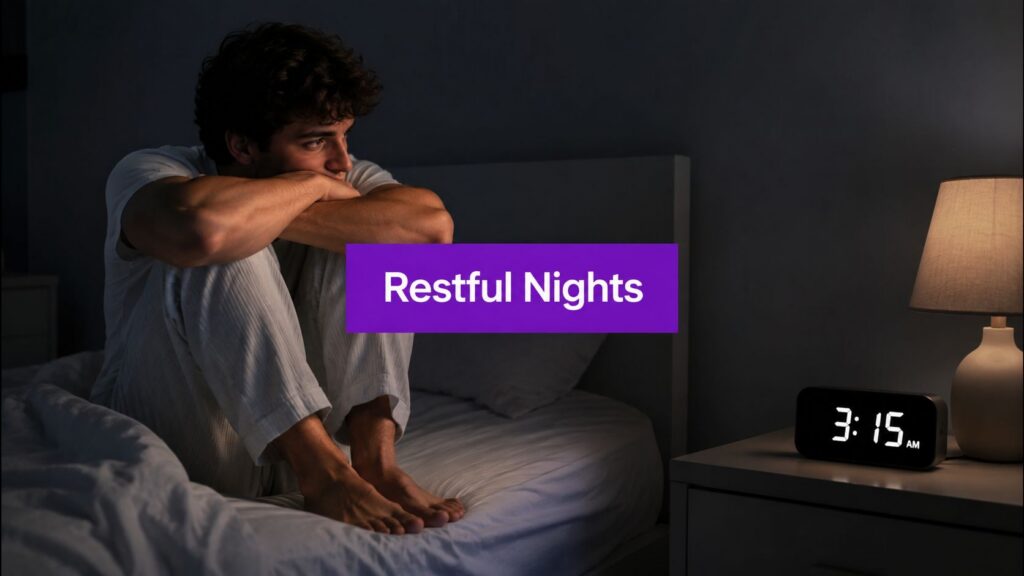
A common pattern goes like this. You wake up in the dark, drive to work in the dark, spend most of the day indoors, and head home as the sun disappears. After a few weeks, your body starts acting like it's supposed to hibernate.
You may notice lower energy, more sleep, a flatter mood, and less interest in things you usually enjoy. Some people feel foggy and slow. Others feel irritable, emotionally sensitive, or unexpectedly tearful. It can be subtle at first, which is why so many people dismiss it as the “winter blues.”
When winter changes more than your schedule
Seasonal affective disorder, often called SAD, is tied to reduced light exposure during darker months. That matters because your brain uses light signals to help regulate sleep, energy, and mood. When those signals weaken, your internal rhythm can drift.
Imagine living with a wall clock that starts running late. At first, you're only a little off. Then your whole day starts to feel out of sync. You may feel sleepy when you need to be alert, hungry at odd times, and emotionally drained without a clear reason.
You don't need to “tough it out” just because your symptoms show up in winter.
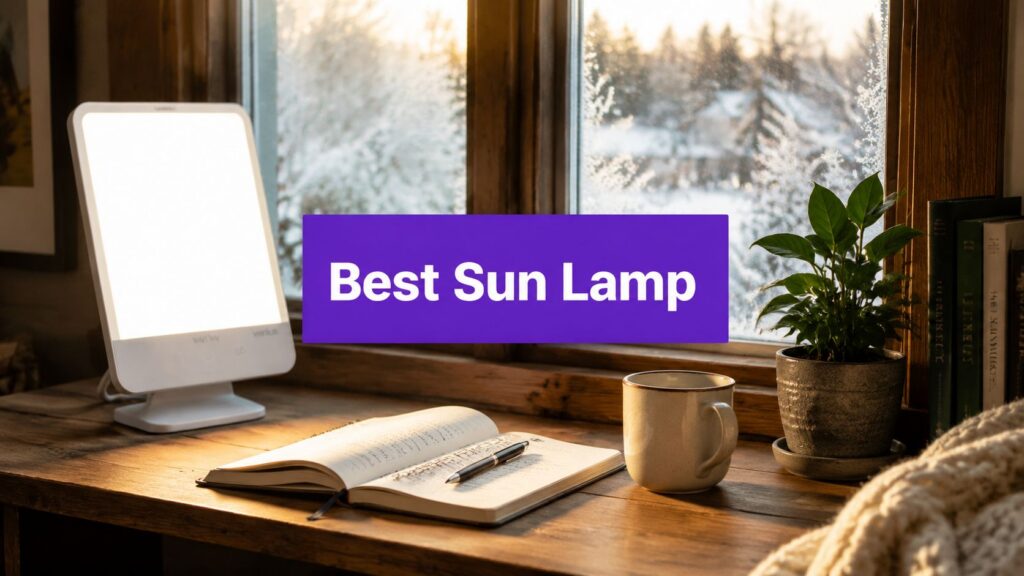
For many people, a carefully chosen sun lamp offers a way to bring some of that missing morning light back into daily life. If you're searching for the best sun lamp for SAD, the most important question isn't which one looks nicest on a desk. It's whether it delivers the kind of light used in clinical care.
A hopeful place to start
Light therapy is one of the more accessible tools for seasonal depression. You can use it at home. You can build it into breakfast or reading time. And unlike general wellness gadgets, a true therapeutic lamp is meant to follow a medical logic.
That's good news for people who feel stuck. Relief often starts with small, consistent steps. Understanding the science first helps you choose a lamp that has a real chance of helping.
How Light Therapy Fights Seasonal Sadness
Your brain keeps time with light. When morning light enters your eyes, it tells your body that the day has started. That signal helps set your circadian rhythm, which is your internal 24 hour clock.
In winter, many people don't get enough strong morning light. The result can be a body clock that drifts later than it should. You feel groggy in the morning, not tired enough at the right time at night, and emotionally off balance during the day.

Your eyes are the doorway
A lot of people assume light therapy works through the skin, like soaking up sunshine. It doesn't. The treatment works through the eyes.
Clinical guidance notes that the optimal dose for SAD is 5,000 lux-hours per day, usually reached by exposing the eyes to 10,000 lux of UV-free, full-spectrum white light for 30 minutes daily in the early morning before 8 a.m. The same guidance explains that bright light suppresses melatonin and triggers serotonin release through signals mediated by the eye, helping the body perceive a warmer season and improving mood (clinical overview of optimal light therapy dosing).
That sounds technical, but the basic idea is simple. Morning light tells your brain, “It's daytime. Be awake now.” If your system has been acting like dawn never really arrived, a therapeutic lamp can help reset that message.
Why timing matters so much
Using a sun lamp at the wrong time can work against you. Morning use supports your body clock. Late evening use can confuse it.
A simple way to think about it is this:
- Morning light helps move your rhythm into daytime mode
- Eyes open, but not staring into the lamp lets the retina receive the signal safely
- Consistent daily use gives your brain a predictable cue
Some readers also wonder whether a lamp should replace other winter health habits. It shouldn't. Low daylight months can affect more than mood, so broader self-care still matters. If you're trying to support your winter routine overall, this guide to vitamin D for busy adults gives a useful overview of one related piece people often ask about.
If your symptoms don't fit the classic winter picture, it may also help to learn more about atypical depression symptoms, since fatigue, oversleeping, and heavy-feeling mood can overlap.
Practical rule: A therapeutic lamp isn't just “bright.” It needs to deliver the right type of light, at the right intensity, at the right time of day.
Key Features for an Effective Sun Lamp
Shopping for a SAD lamp gets confusing fast. Product pages often use words like “sunlight,” “daylight,” or “full spectrum” loosely. A lamp can sound impressive and still fall short where it counts.
If you're trying to find the best sun lamp for SAD, focus on whether the lamp matches the features used in clinical treatment. The box design, brand style, and extra settings matter less than the basics.

The nonnegotiable features
Research comparing light colors found that 10,000 lux of white light performed best for seasonal mood dysregulation, with a SUCRA value of 81.7%, ahead of green at 67.4%, blue at 54.6%, and red at 8.4% (meta-analytic comparison of light therapy types). That finding helps cut through a lot of marketing. White light is the standard to look for.
Use this checklist when you compare lamps:
- True 10,000 lux output: The lamp should clearly state that it delivers 10,000 lux at a usable sitting distance, not only when your face is pressed close to it.
- UV filtering: Therapeutic devices should filter out most or all ultraviolet radiation. You want the mood and circadian benefit, not UV exposure.
- White light: Based on the comparative data above, white light has the strongest support among the listed options.
- Even light surface: A lamp with a broad, smooth panel is usually easier to tolerate than one with glaring bright points.
- Comfortable positioning: The lamp should be usable while you eat breakfast, read, or work, not only in an awkward rigid posture.
Features that help with real-life use
A good lamp also has to fit daily life. If a device is technically powerful but annoying to use, it often falls out of use.
Helpful extras include:
| Feature | Why it helps |
|---|---|
| Adjustable stand or angle | Lets you place the light correctly without staring at it |
| Timer | Makes it easier to build a consistent habit |
| Larger panel | Often feels less harsh than a tiny bright source |
| Portable size | Useful if you need to move it between home and office |
Some shoppers also get distracted by lighting terms that matter more for appearance than therapy. If you've seen specs mentioning CRI and aren't sure what that means, this explainer on what is color rendering index can help you separate visual quality from actual therapeutic usefulness.
The best lamp is the one that meets clinical basics and fits your morning routine well enough that you'll keep using it.
A quick buyer mindset
Don't shop for a “mood lamp.” Shop for a therapeutic device. That shift alone saves people from buying decorative desk lights that feel pleasant but don't deliver the treatment conditions they were hoping for.
Your Daily Light Therapy Routine for Best Results
Owning a good lamp is only half the job. The benefit comes from using it in a way that matches how light therapy is meant to work.
Many people make one of two mistakes. They either sit too far away and get very little effect, or they try to force the process by staring directly into the light. Neither helps.

How to set it up
Cleveland Clinic guidance recommends placing the device 16 to 24 inches (41 to 61 cm) from the face, keeping your eyes open without looking directly into it, and choosing a lamp that filters out most or all UV radiation to reduce ocular risk (safe use guidance for light therapy devices).
That means your routine can look ordinary. You can sit with the lamp off to one side while having coffee, checking email, reading, or eating breakfast. The treatment works because light reaches the retina, not because you stare into the beam.
A simple morning routine
Here's a practical starting routine many people can follow:
- Turn the lamp on soon after waking. Earlier is better for circadian timing.
- Sit at the recommended distance. Follow the manufacturer's instructions if they differ, but make sure the lamp is delivering therapeutic intensity where you sit.
- Keep your eyes open naturally. Glance around the room as you normally would.
- Do a quiet activity. Reading, planning your day, or breakfast works well.
- Repeat daily. Consistency matters more than occasional long sessions.
What the first week may feel like
Your first few sessions may feel surprisingly ordinary. That doesn't mean it isn't working. Light therapy is more like setting a thermostat than flipping a switch. The body often responds to repeated cues.
Some people notice they wake more easily. Others feel a little more alert by midmorning, or less “heavy” in the afternoon. The key is to keep the routine steady long enough to let your internal clock respond.
Try tying the lamp to an existing habit. If it's part of breakfast or your first work task, you're more likely to stick with it.
If a session causes discomfort, reassess the setup. The lamp may be too close, too glaring, or poorly positioned in your field of vision. Comfort matters because treatment only works when you can tolerate it day after day.
When a Sun Lamp Is Not Enough
A sun lamp can be helpful. It can also be overestimated.
The biggest mistake I see is treating light therapy like a complete mental health plan. For mild seasonal symptoms, it may be one useful tool. For severe depression, bipolar disorder, suicidal thinking, or symptoms that keep getting worse, relying on a lamp alone can delay needed care.
Limits and warning signs
Bright light therapy is considered a first-line therapy for SAD, but people with bipolar disorder or severe depression should consult a psychiatrist before trying it, and morning use is important because evening use can disrupt sleep patterns (review of bright light therapy and timing guidance).
That matters for safety. If someone has bipolar disorder, light therapy can affect mood regulation in ways that need professional oversight. If someone has severe depression, a lamp may not be enough support for what they're carrying.
Pay attention if you notice any of these:
- Symptoms are intense: You're struggling to function at work, at home, or in relationships.
- Your mood is dark or desperate: You feel hopeless, numb, or unsafe.
- Sleep gets worse: Using light late or reacting poorly to it may throw your rhythm off more.
- You suspect something more than seasonal depression: Anxiety, trauma, burnout, grief, and nonseasonal depression can overlap.
Mild side effects versus bigger concerns
Some people experience eye strain, headache, or nausea when starting. Those issues can happen if the lamp is too intense, too close, or too glaring. In many cases, adjusting the distance or angle improves comfort.
Bigger concerns are different. If your symptoms include panic, major appetite changes, severe withdrawal, racing thoughts, or a long history of depression outside winter, it's time to think beyond self-treatment.
A fuller treatment plan might include psychotherapy, medication management, trauma-focused care, or a formal evaluation. If that sounds like your situation, learning about professional depression treatment options can help clarify the next step.
A lamp can support recovery. It shouldn't carry the whole weight of recovery by itself.
Find Professional Support with reVIBE Mental Health
For some people, the best next step isn't a different lamp. It's a conversation with a mental health professional who can sort out what's going on.
That matters because seasonal depression can overlap with anxiety, trauma, grief, burnout, and nonseasonal mood disorders. If you've been trying to self-manage and still feel stuck, getting an evaluation can bring a lot of relief. Clarity itself can be therapeutic.
Care that is easier to access
reVIBE Mental Health operates five distinct clinical locations across the Phoenix metropolitan area, specifically in Tempe, Phoenix Deer Valley, Phoenix PV, Scottsdale, and Chandler. To find a location near you, call (480) 674-9220 (location listing for reVIBE Mental Health).
If you're unsure whether your symptoms call for therapy, psychiatry, or both, starting with a professional assessment can help. This guide on how to get a mental health evaluation is a practical place to begin.
Find a reVIBE Location Near You!
We currently have five locations for your convenience. (480) 674-9220
| Clinic Name | Address |
|---|---|
| reVIBE Mental Health – Chandler | 3377 S Price Rd, Suite 105, Chandler, AZ |
| reVIBE Mental Health – Phoenix Deer Valley | 2222 W Pinnacle Peak Rd, Suite 220, Phoenix, AZ |
| reVIBE Mental Health – Phoenix PV | 4646 E Greenway Road, Suite 100, Phoenix, AZ |
| reVIBE Mental Health – Scottsdale | 8700 E Via de Ventura, Suite 280, Scottsdale, AZ |
| reVIBE Mental Health – Tempe | 3920 S Rural Rd, Suite 112, Tempe, AZ |
When support can make all the difference
A good clinician can help you answer questions a lamp can't answer on its own. Is this seasonal depression, burnout, atypical depression, anxiety, trauma, or a combination? Is light therapy appropriate for you? Do you also need therapy, EMDR, or medication support?
Those questions deserve thoughtful care, especially if winter makes an existing struggle feel heavier.
Embrace the Light This Season
The best sun lamp for SAD isn't just the brightest one on a shopping page. It's the one that meets therapeutic standards, fits your morning routine, and helps your body reconnect with a steadier rhythm.
The science gives you a clear starting point. Look for a lamp that provides 10,000 lux of white light, is UV filtered, and can be used comfortably as part of a regular morning routine. Use it through your eyes, not your skin. Keep it positioned correctly. Let consistency do the work.
At the same time, it helps to hold realistic expectations. A lamp can support mood and energy. It can make winter more manageable. But it isn't a substitute for care when depression is severe, symptoms are mixed, or your life is starting to narrow around the struggle.
If you've been feeling the weight of winter, take that seriously. Start with good information. Choose carefully. Build a routine you can maintain. And if you sense that a lamp alone won't be enough, reaching out for professional help is a strong next move, not a last resort.
If winter depression, anxiety, trauma, or burnout is making daily life feel harder, reVIBE Mental Health offers compassionate support for adults and families across the Phoenix area. Their team provides therapy, psychiatry, and personalized care to help you move beyond short-term coping and start feeling like yourself again.