
The core difference between Cymbalta and Celexa boils down to how they work in the brain. Cymbalta is an SNRI (serotonin-norepinephrine reuptake inhibitor), meaning it targets two key chemical messengers. Celexa, on the other hand, is an SSRI (selective serotonin reuptake inhibitor) that primarily focuses on just one.
This fundamental distinction in their mechanism of action is often the deciding factor in which one is a better fit. Cymbalta’s dual-action approach makes it particularly useful for people struggling with both depression and certain types of chronic pain. In contrast, Celexa’s targeted action makes it a go-to choice for mood and anxiety disorders.
Understanding the Key Differences
When you're looking at antidepressant options, it's crucial to know that they aren't all interchangeable. Cymbalta (duloxetine) and Celexa (citalopram) are both common and effective medications for depression, but they belong to different classes of drugs. This influences everything from the conditions they are approved to treat to their side effect profiles.
Cymbalta works by increasing the levels of two neurotransmitters: serotonin, which is vital for mood regulation, and norepinephrine, which impacts your energy, focus, and pain perception. This makes Cymbalta uniquely suited to treat conditions where mood symptoms and physical pain overlap.
Celexa takes a more direct approach. As an SSRI, its job is to increase serotonin levels in the brain. This focused mechanism is highly effective for treating major depressive disorder and is also frequently used to manage several types of anxiety disorders.
The real distinction lies in their scope. You can think of Celexa as a specialist, zeroing in on mood regulation through serotonin. Cymbalta is more of a multi-tool, addressing both mood and the body’s pain-signaling pathways at the same time.
To give you a clearer picture, let's break down the main points of comparison in a straightforward way.
Cymbalta vs Celexa At a Glance
Here’s a simple table summarizing the essential differences between Cymbalta and Celexa to help you see how they stack up.
| Feature | Cymbalta (Duloxetine) | Celexa (Citalopram) |
|---|---|---|
| Drug Class | SNRI (Serotonin-Norepinephrine Reuptake Inhibitor) | SSRI (Selective Serotonin Reuptake Inhibitor) |
| Primary Mechanism | Increases both serotonin and norepinephrine | Primarily increases serotonin |
| Approved for Pain | Yes, for conditions like fibromyalgia & nerve pain | No, not an FDA-approved use |
| Common Side Effects | Nausea, dry mouth, drowsiness, potential blood pressure changes | Nausea, drowsiness, sexual side effects |
Ultimately, choosing between these medications depends entirely on your specific symptoms, medical history, and overall health. It’s a decision that requires a thoughtful conversation with a psychiatric professional who can help guide you toward the best option for your needs.
How Each Medication Works in Your Brain

To really get to the heart of what separates Cymbalta and Celexa, you have to look at how they interact with your brain's chemical messengers, or neurotransmitters. These tiny molecules are workhorses, regulating everything from your mood and energy to how you experience pain.
Think of it like this: your brain's nerve cells are constantly communicating. After one cell sends a message, it typically reabsorbs the neurotransmitter it used in a process called reuptake. Both Cymbalta and Celexa act as reuptake inhibitors, meaning they block this recycling process. This leaves more neurotransmitters active in the gap between nerve cells, helping to amplify and improve the signals related to mood and well-being.
Celexa: A Targeted Serotonin Approach
Celexa (citalopram) falls into the class of drugs known as Selective Serotonin Reuptake Inhibitors (SSRIs). The key word here is selective. It almost exclusively targets one neurotransmitter: serotonin.
Serotonin is famous for being the "feel-good" chemical, playing a huge part in stabilizing our mood, happiness, and overall sense of well-being. By specifically preventing the reuptake of serotonin, Celexa helps increase its availability, allowing its positive influence on mood to come through more strongly. This highly focused approach is why SSRIs are often the first medication a doctor will try for depression and many anxiety disorders.
Cymbalta: A Dual-Action Mechanism
Cymbalta (duloxetine), on the other hand, is what’s known as a Serotonin-Norepinephrine Reuptake Inhibitor (SNRI). As the name suggests, it has a dual-action mechanism, blocking the reuptake of both serotonin and another vital neurotransmitter, norepinephrine.
Norepinephrine is heavily involved in your body’s “fight-or-flight” system, influencing things like alertness, concentration, and energy. Crucially, it also helps modulate how your brain and spinal cord interpret pain signals.
By boosting both serotonin and norepinephrine, Cymbalta can tackle a broader spectrum of symptoms. The serotonin lift helps with mood, while the norepinephrine boost can fight fatigue and, most importantly, help turn down the volume on chronic pain signals.
This two-pronged approach is precisely why Cymbalta is so effective for people whose depression is intertwined with physical pain, such as fibromyalgia, diabetic nerve pain, or chronic musculoskeletal issues. It provides a single tool to address both the mental and physical components of their condition.
For a deeper dive into the foundations of neurological wellness, you can explore general information on brain health essentials. Understanding these mechanisms helps clarify why a provider at reVIBE Mental Health might lean toward one medication over the other, depending entirely on your unique combination of symptoms.
What They’re Actually Used For: Approved vs. Off-Label
One of the biggest differences between Cymbalta and Celexa is what the FDA has officially approved them to treat. Think of an FDA approval as a medication's "on the record" specialty, backed by years of rigorous clinical trials for a specific condition. This is where you really start to see how these two drugs diverge.
Cymbalta has a much wider range of FDA-approved uses, and that’s no accident. Its ability to act on both serotonin and norepinephrine gives it an edge, especially when physical pain is part of the picture.
Cymbalta’s Official FDA Approvals
Because Cymbalta targets neurotransmitters involved in both mood and pain signals, it’s officially cleared to treat a unique mix of conditions:
- Major Depressive Disorder (MDD): A standard indication for most antidepressants.
- Generalized Anxiety Disorder (GAD): For managing that constant, overwhelming feeling of worry.
- Diabetic Peripheral Neuropathic Pain: Specifically for nerve pain associated with diabetes.
- Fibromyalgia: A chronic condition known for widespread musculoskeletal pain.
- Chronic Musculoskeletal Pain: This includes ongoing lower back pain and pain from osteoarthritis.
This diverse profile makes Cymbalta a remarkably versatile tool. For example, if someone comes to reVIBE Mental Health struggling with both depression and the chronic pain of fibromyalgia, Cymbalta offers a way to tackle both problems with one single medication, which can be a huge relief.
Celexa’s Focused Approval and Widespread Off-Label Use
Celexa, on the other hand, has a much narrower FDA approval: it’s officially for Major Depressive Disorder (MDD). Its laser focus on serotonin makes it a trusted and effective first-choice treatment for depression.
But that’s not the whole story. For years, clinicians have prescribed Celexa off-label for a whole host of other conditions. This is a perfectly legal and common practice where a doctor uses their clinical expertise to prescribe a drug for something other than its approved use, based on solid scientific evidence and experience.
Celexa's widespread off-label use for anxiety disorders is a testament to how well it works for symptoms driven by serotonin imbalances. It’s often the go-to choice when depression or anxiety is the primary issue, without a major chronic pain component.
Some of the most common off-label uses for Celexa include:
- Panic Disorder
- Obsessive-Compulsive Disorder (OCD)
- Social Anxiety Disorder
- Premenstrual Dysphoric Disorder (PMDD)
Ultimately, the choice hinges on a person's unique combination of symptoms. If pain and depression are intertwined, Cymbalta is often a clear frontrunner. If the focus is purely on mood and anxiety, Celexa remains a cornerstone of treatment.
The market for duloxetine (Cymbalta) was valued at $4.3 billion in 2023, and it's expected to keep growing, which really speaks to its expanding role in treating conditions where pain and mood overlap. While generic options are shifting the market, its clinical value is undeniable. You can discover more insights about duloxetine market trends to see how it fits into today's psychiatric care.
Side Effects: What to Expect from Cymbalta vs. Celexa
When we're deciding between medications like Cymbalta and Celexa, one of the most important conversations we'll have is about side effects. It’s not just about what a drug does, but how it makes you feel day-to-day. Since these two work on different brain chemicals, their side effect profiles can look quite different, which often becomes a deciding factor.
It really boils down to their mechanisms. Cymbalta works on both serotonin and norepinephrine, giving it a broader range of potential effects. Celexa, on the other hand, sticks to serotonin, leading to a more focused, and sometimes different, set of side effects.
Common Side Effects of Cymbalta
Because Cymbalta also targets norepinephrine—a key player in your body’s “fight-or-flight” system—it can bring on some effects that you wouldn’t typically see with Celexa.
Patients often report:
- Dry Mouth: This is a very frequent complaint, as norepinephrine can dial back saliva production.
- Increased Heart Rate or Blood Pressure: With its stimulating properties, we always keep a close eye on cardiovascular health.
- Drowsiness or Fatigue: It's interesting—while it can be activating for some, others feel quite tired as their system gets used to it.
- Nausea: A common introductory side effect for most antidepressants, as the gut has to adjust to the new levels of serotonin.
These issues are usually most intense right at the beginning and often fade within a few weeks. That said, if you notice any changes in your blood pressure or heart rate, you need to let your provider at reVIBE Mental Health know right away.
Common Side Effects of Celexa
As an SSRI, Celexa's side effects are almost entirely related to its impact on serotonin. This creates a distinct experience compared to Cymbalta.
The most common reactions include:
- Gastrointestinal Issues: Nausea and diarrhea are pretty common because your digestive tract is loaded with serotonin receptors.
- Sexual Side Effects: This is a big one for many people. It can show up as a lower sex drive, trouble reaching orgasm, or erectile dysfunction.
- Drowsiness or Insomnia: Serotonin is a master regulator of sleep. Altering its levels can throw your patterns off, leading to either fatigue or sleepless nights.
The crucial point here isn't that one drug is "better" than the other regarding side effects—they're just different. Someone who is sensitive to stimulating feelings might lean towards Celexa. Conversely, a person worried about sexual side effects might find Cymbalta a better fit. Managing these experiences is a fundamental part of learning how to cope with anxiety and depression.
The Reality of Withdrawal: Discontinuation Syndrome
Stopping either of these medications cold turkey is a bad idea. It can trigger what we call discontinuation syndrome, which feels a lot like withdrawal. This isn't addiction; it's simply your brain reacting to the sudden absence of a chemical it's grown accustomed to.
Common symptoms include dizziness, nausea, intense fatigue, irritability, and those infamous "brain zaps"—a strange sensation that feels like a brief electric shock in your head. Cymbalta, in particular, has a reputation for a tougher discontinuation for some people, largely because it leaves your system more quickly.
This is why you must never stop these medications without talking to your doctor. We will always map out a gradual tapering plan, slowly lowering your dose over weeks or months. This careful process gives your brain the time it needs to readjust, making the transition as smooth and comfortable as possible. It's a non-negotiable part of safe medication management.
Choosing the Right Medication for Your Symptoms
Deciding between Cymbalta and Celexa is less about which medication is "better" and more about which one is the right fit for you. A thoughtful provider doesn't just look at your primary diagnosis. We look at the whole picture: co-existing medical conditions, your age, and any other medications you’re taking to build a treatment plan that makes sense for your life.
Your overall health is a huge piece of the puzzle. For example, if someone has liver issues, we have to be very careful with Cymbalta because the liver does the heavy lifting in processing it. On the other hand, we might use Celexa more cautiously in older adults or those with specific heart conditions, as higher doses can potentially affect heart rhythm.
Situational Considerations for Treatment
The real difference between Cymbalta and Celexa shines through when you look at specific scenarios. Because they work differently in the brain, they're often better suited for different clusters of symptoms.
-
Chronic Pain and Depression: If you're struggling with both major depression and a chronic pain condition like fibromyalgia or diabetic nerve pain, Cymbalta is often a strong contender. Its dual-action approach—targeting both serotonin and norepinephrine—can tackle mood and physical pain signals at the same time.
-
Anxiety and Mood Disorders: When the primary issues are anxiety and depression without a major pain component, Celexa is often a go-to starting point. Its targeted action on serotonin is a proven and effective strategy for these conditions.
For patients managing both depression and fibromyalgia, Cymbalta’s dual-action mechanism may offer a streamlined approach to treating both conditions. This highlights the importance of discussing all your symptoms—both mental and physical—with your provider.
Understanding these distinctions can help you have a more productive conversation with your provider about your care. The decision aid below can help you visualize how different symptoms might steer the choice toward one medication over the other.
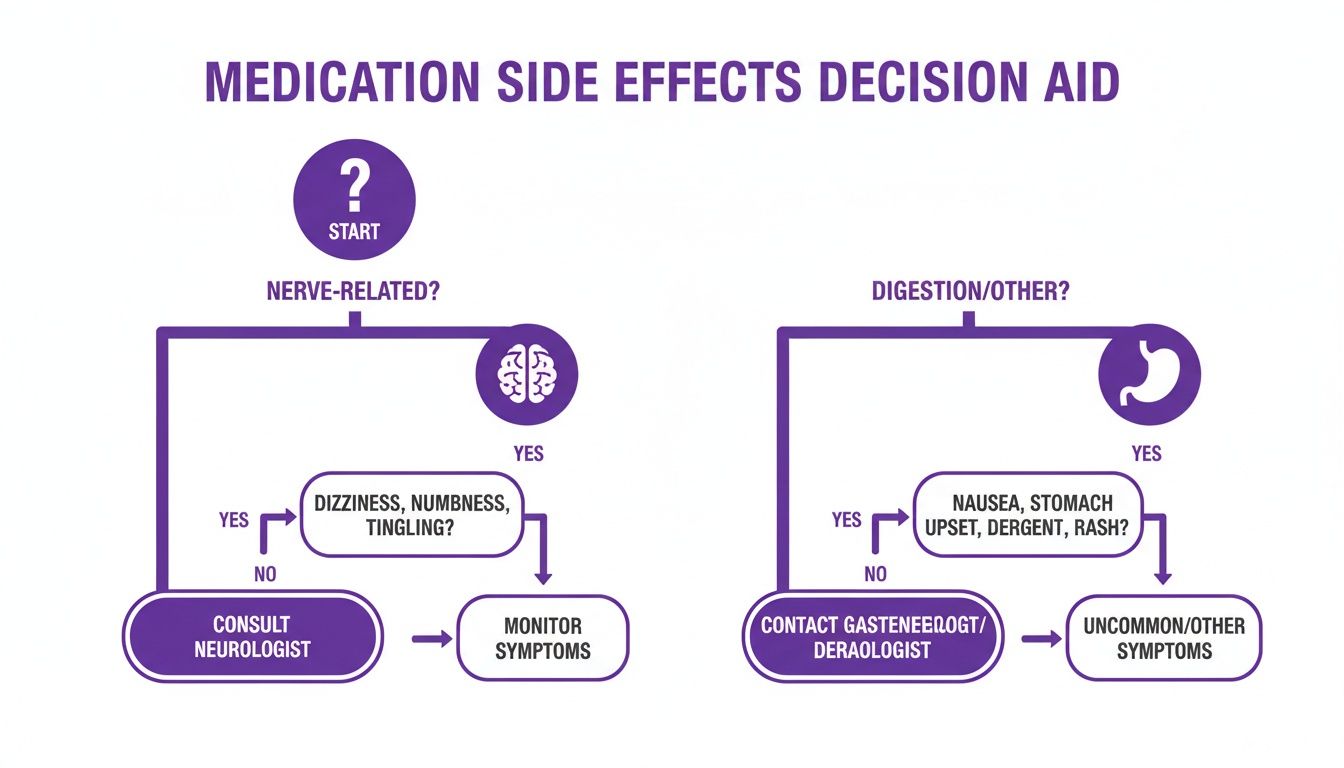
This flowchart illustrates how nerve-related pain often points toward one type of treatment, while sensitivities to digestive side effects, for instance, might make another medication a better choice.
Prescribing Patterns and Patient Experience
Looking at national prescribing data also tells part of the story. In 2020, citalopram (Celexa) was prescribed to roughly 17 million Americans, making it one of the most common SSRIs. During that same time, about 10.3 million people were prescribed duloxetine (Cymbalta), which reflects its more specialized applications.
These numbers suggest that while Celexa has a broader general use, Cymbalta is a key player for more complex cases that involve pain.
The ultimate goal is always to find the medication that helps you feel better with the fewest possible side effects. This is a collaborative process, and it’s the foundation of good care you’d find through professional medication management for depression. Choosing the right antidepressant isn’t something you do alone; it's a partnership between you and your psychiatric provider at a practice like reVIBE Mental Health.
Ready to Start Your Personalized Treatment at reVIBE Mental Health?
Getting a handle on the differences between medications like Cymbalta and Celexa is a great starting point. But think of it as preparing for a conversation with an expert, not as a replacement for one. Choosing the right antidepressant is a major health decision, one that really needs a professional's eye and a deep dive into your specific health situation. Trying to self-diagnose or pick a medication from online articles can be risky and often doesn't work.
At reVIBE Mental Health, our licensed psychiatric team is here to build a treatment plan that truly fits you. The journey starts with a thorough psychiatric evaluation where we take the time to hear about your symptoms, go over your medical history, and understand what you hope to achieve. To get a better feel for this first step, you can learn more about what happens during a psychiatric evaluation in our detailed guide.
A Collaborative and Compassionate Approach
We see treatment as a partnership. Your provider will walk you through the pros and cons of medications like Cymbalta and Celexa, explaining clearly why one might be a better fit for your unique circumstances. We blend evidence-based medication management with supportive therapy, ensuring we’re looking at your mental health from every angle. Our goal is to make sure you feel heard and respected every step of the way.
Treatment is never one-size-fits-all. A successful outcome hinges on a personalized plan that considers your complete well-being—both mind and body.
Ultimately, whether Cymbalta or Celexa seems like a better option on paper, it's absolutely essential to consult with a qualified psychiatrist for an accurate diagnosis and a tailored treatment strategy.
Find a reVIBE Location Near You!
We currently have five locations for your convenience. (480) 674-9220
reVIBE Mental Health – Chandler
3377 S Price Rd, Suite 105, Chandler, AZ
reVIBE Mental Health – Phoenix Deer Valley
2222 W Pinnacle Peak Rd, Suite 220, Phoenix, AZ
reVIBE Mental Health – Phoenix PV
4646 E Greenway Road, Suite 100, Phoenix, AZ
reVIBE Mental Health – Scottsdale
8700 E Via de Ventura, Suite 280, Scottsdale, AZ
reVIBE Mental Health – Tempe
3920 S Rural Rd, Suite 112, Tempe, AZ
Common Questions About Cymbalta vs. Celexa
When you're trying to figure out which antidepressant might be right for you, a lot of practical questions come up. Let's walk through some of the most common ones we hear from patients about Cymbalta and Celexa.
Can I Switch from Celexa to Cymbalta?
Yes, this is a switch that doctors often facilitate, but it’s something that absolutely must be supervised by a healthcare professional. Please don't try to manage this on your own.
Your provider will likely use a method called cross-tapering. It’s a careful process where you’ll slowly lower your Celexa dose while, at the same time, gradually starting and increasing the Cymbalta dose. This strategy is designed to help you avoid uncomfortable withdrawal effects from stopping Celexa and minimize side effects as your body adjusts to the new medication. It’s all about making the transition as smooth as possible.
How Long Does It Take for Cymbalta or Celexa to Work?
Starting a new antidepressant requires a bit of patience. While some people report small improvements in things like sleep or energy within the first 1-2 weeks, the real impact on your mood takes a little longer to build up.
You can generally expect to feel the full effects of either Cymbalta or Celexa within about 4 to 8 weeks. It’s really important to take the medication consistently as prescribed during this initial period, unless your doctor tells you otherwise.
Are Cymbalta and Celexa Usually Covered by Insurance?
Cost is a real-world concern, and the good news is that both medications are generally very accessible. Cymbalta is available as generic duloxetine, and Celexa is available as generic citalopram.
Because these generic versions have been around for a while, they are almost always covered by most insurance plans, including Medicare Part D. This makes them affordable options for the vast majority of patients. Of course, it's always a good idea to double-check with your specific insurance plan to understand your copay.
Making an informed decision about your mental health starts with a conversation. The expert team at reVIBE Mental Health is here to provide personalized guidance and support. Start your journey toward feeling better by scheduling an appointment today.